
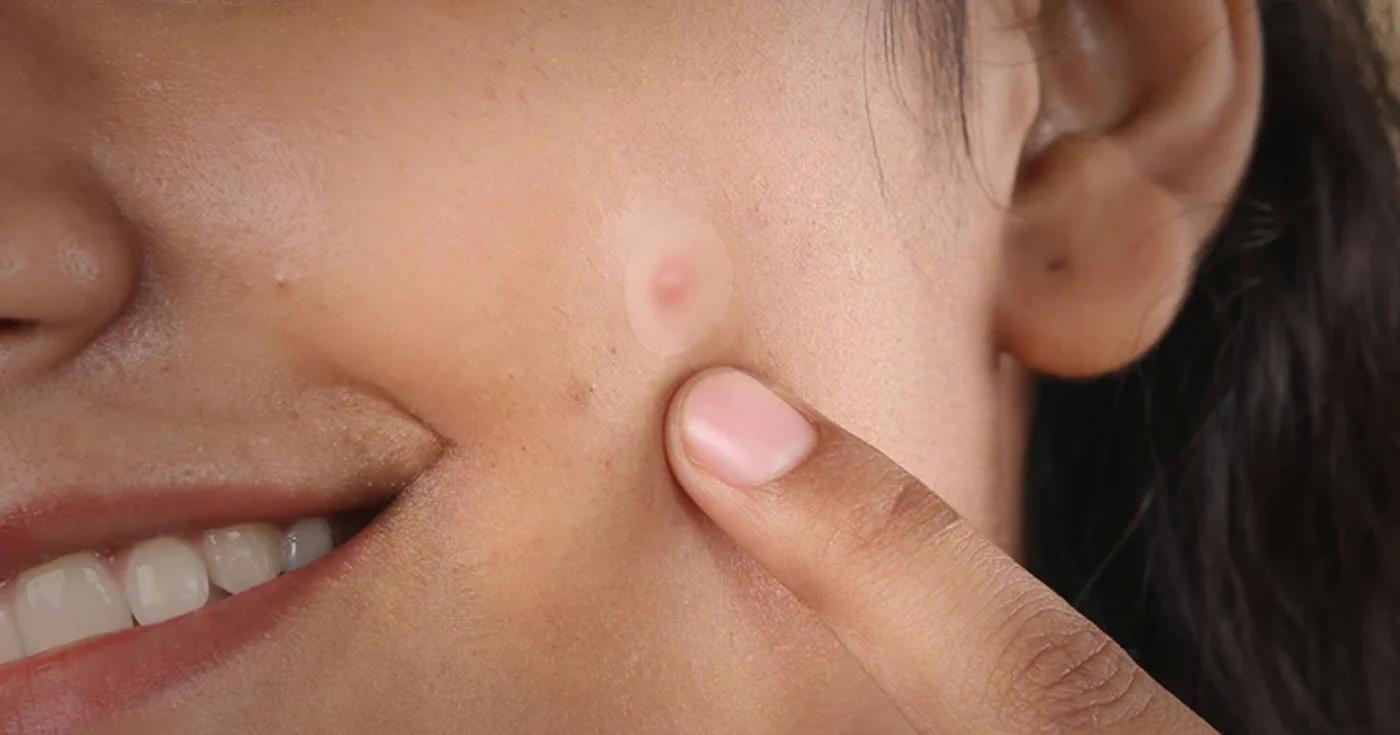
People often use acne marks and acne scars to describe the same thing, although they affect the skin differently. A mark changes the color of the skin but leaves its surface flat. A scar changes the texture because the healing process has produced too little or too much collagen. Looking at both color and texture provides a better clue than color alone.
What flat marks look like
Dark brown, grey or black patches that remain after a spot has healed are usually post-inflammatory hyperpigmentation. Red or pink areas may be post-inflammatory erythema, which is linked to changes in small blood vessels after inflammation. Both can remain visible for months, particularly after deeper spots, but neither automatically means that the skin has scarred.
Vegaderma offers acne scar treatment Bangkok assessments for people with pigmentation, uneven texture or a mixture of the two. This distinction matters because a treatment intended to improve a dark mark will not necessarily lift an indentation. A procedure used for a depressed scar may also be unsuitable for flat discoloration.
Run clean fingers gently across the area and examine it in daylight from several angles. If the skin feels smooth and the spot changes mainly in color, it is more likely to be a post-acne mark. Texture often becomes clearer when light falls across the face from the side, as shallow dips and raised areas cast shadows that are difficult to see under overhead lighting.
Signs of a true acne scar
Depressed scars sit below the surrounding skin and are commonly described as ice pick, boxcar or rolling scars. Ice pick scars create narrow, deep pits that remain visible under soft lighting. Boxcar scars have broader bases and defined edges, and rolling scars create shallow dips with sloping sides. Many people have several types in the same area rather than one uniform pattern.
Raised scars form when the skin produces excess collagen during healing. They feel firm and sit clearly above the normal surface of the skin. Hypertrophic scars remain within the area of the original inflamed spot, whereas keloids extend outside it and may continue growing. These raised scars are more common on the chest, shoulders and back than on the face.
A mark and a scar may also occupy the same place. A depressed area may still appear red or brown after the spot has healed, making the depth look worse in some lighting. As the color settles, the underlying change in texture becomes clearer. This is one reason a clinician may wait for active inflammation to calm before assessing the full extent of scarring.
Why the distinction changes treatment
Post-acne marks often fade gradually, although sun exposure can darken pigmentation and prolong the difference in color. Daily sunscreen, suitable skincare and control of new breakouts may form part of the plan. Scrubbing, picking or applying strong acids without professional advice can irritate the area and create further inflammation.
Scar treatment is selected according to the shape, depth and location of each scar, along with skin type and any remaining acne. A rolling scar tethered beneath the surface may require a different approach from a narrow ice pick scar or a raised keloid. Treating active acne first also reduces the risk of new scars appearing during a course of procedures.
Photographs taken in the same lighting every few weeks are more useful than checking the mirror several times a day. They show if flat marks are fading and help separate gradual color changes from a lasting alteration in texture. A dermatology assessment is sensible when the skin is raised, indented, painful, itchy or continuing to change.