
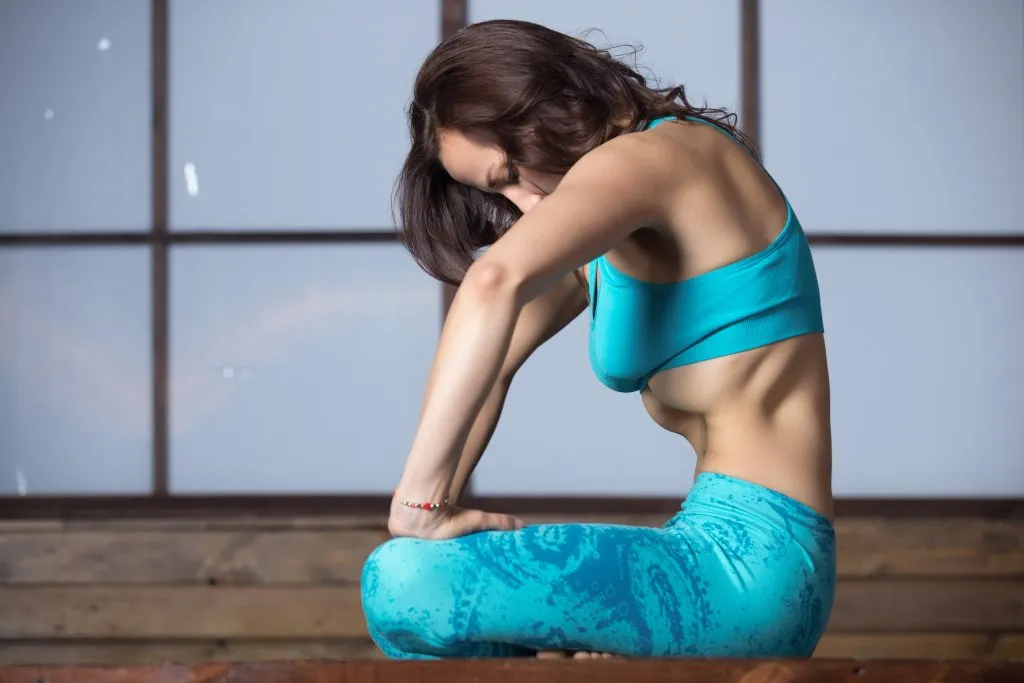
Why Hatha Yoga Remains a Powerful Practice for Strength, Stillness, and Alignment In a wellness culture full of fast trends and intense workouts, hatha yoga continues to remain relevant because it offers something deeply practical: strength, stillness, breath and alignment. It gives students time to understand postures rather than rush through them, making it valuable for adults who want a steady and intelligent approach to movement. Hatha yoga is often associated with foundational practice, but that does not mean it is simplistic. Holding postures with awareness can be physically demanding and mentally revealing. It asks students to slow down, refine alignment, breathe steadily and notice how the body responds.
The value of slowing down
Many people live at a rushed pace. Work, messages, transport, errands and social responsibilities can keep the mind moving constantly. A slower yoga practice creates a different rhythm. Students are invited to pause, enter postures carefully and stay long enough to observe. This slower pace can be powerful because it reveals habits. A student may notice that they hold the breath during effort, grip the shoulders, collapse through the spine or shift weight unevenly. These discoveries are harder to make in very fast movement.
Strength through steady holds
Hatha yoga builds strength through stillness and control. Standing postures, balances, lunges and seated positions may look simple, but holding them with proper alignment requires effort. The legs, core, shoulders and back all participate. This type of strength is useful because it is connected to posture and awareness. Students learn not only to activate muscles, but to organise the body intelligently. The practice builds endurance without needing speed.
Alignment as a learning tool
Alignment is central to hatha yoga. It helps students understand how the body is arranged in each posture. Good alignment reduces unnecessary strain and makes the practice safer. Alignment is not about forcing every body into the same shape. It is about finding a version of the posture that supports stability, breath and purpose. This makes hatha yoga adaptable to different bodies and experience levels.
Alignment awareness may include:
- How the feet contact the ground
- Whether the knees track safely
- How the spine lengthens
- Where the shoulders hold tension
- How the pelvis is positioned
- Whether the breath remains steady
These details turn postures into learning experiences.
Stillness and mental discipline
Holding a posture can reveal mental patterns. Some students become impatient. Others push too hard. Some avoid discomfort too quickly. Hatha yoga gives students time to observe these responses. This is where stillness becomes a form of discipline. The student learns to stay present without becoming rigid. They practise effort without panic and patience without passivity. These skills are useful beyond the mat.
Breath as a stabilising force
Breath helps students stay steady in hatha yoga. When the breath becomes short, it may signal that the body is working too hard or the mind is becoming tense. A teacher may guide students to soften, adjust or return to a calmer rhythm. This breath awareness can transfer into daily life. Students may become better at noticing stress and using the breath to settle before reacting.
Why hatha yoga suits modern adults
Modern adults often need practices that restore attention. They may be physically stiff, mentally busy or disconnected from body signals. Hatha yoga addresses these needs through deliberate movement and awareness. It can support mobility, strength and calm without demanding constant intensity. This makes it a useful practice for people who want long-term health rather than short-term exhaustion.
A strong foundation for other practices
Hatha yoga can improve other movement styles because it develops alignment, breath and control. Students who practise hatha may become more aware in dynamic yoga, Pilates, strength training or everyday movement. The slower pace allows them to understand principles that apply elsewhere. This makes it a foundation, not because it is basic, but because it is deeply instructive.
A refined space for steady practice
A studio such as Yoga Edition can support hatha yoga by offering a focused environment where students can learn with patience. The setting matters because slower practice requires attention and trust in the teaching process. When students are guided well, hatha yoga becomes more than a sequence of postures. It becomes a method for understanding the body.
A practice that continues to matter
Hatha yoga remains powerful because it addresses needs that do not disappear with trends. People will always need strength, alignment, breath and stillness. They will always benefit from learning how to move with attention. For adults navigating busy lives, hatha yoga offers a steady path. It teaches that progress does not always require speed. Sometimes the most valuable growth happens when the body becomes still enough for the mind to listen.